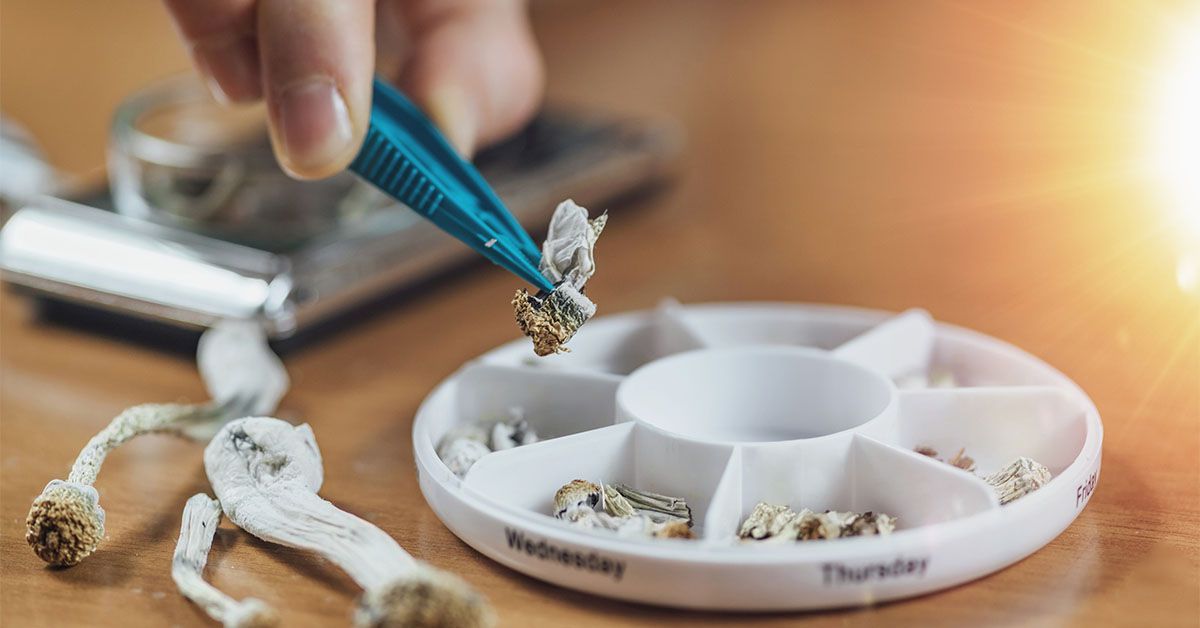
Microdose mushrooms refers to taking very small, sub-perceptual amounts of mushrooms containing naturally occurring psychoactive compounds. The goal is not to experience hallucinations, but to support focus, emotional balance, creativity, and overall mental clarity in daily life.
Microdosing has moved from niche discussions to mainstream wellness conversations, as more people explore intentional and responsible approaches to personal development.
What Is Microdosing Mushrooms?
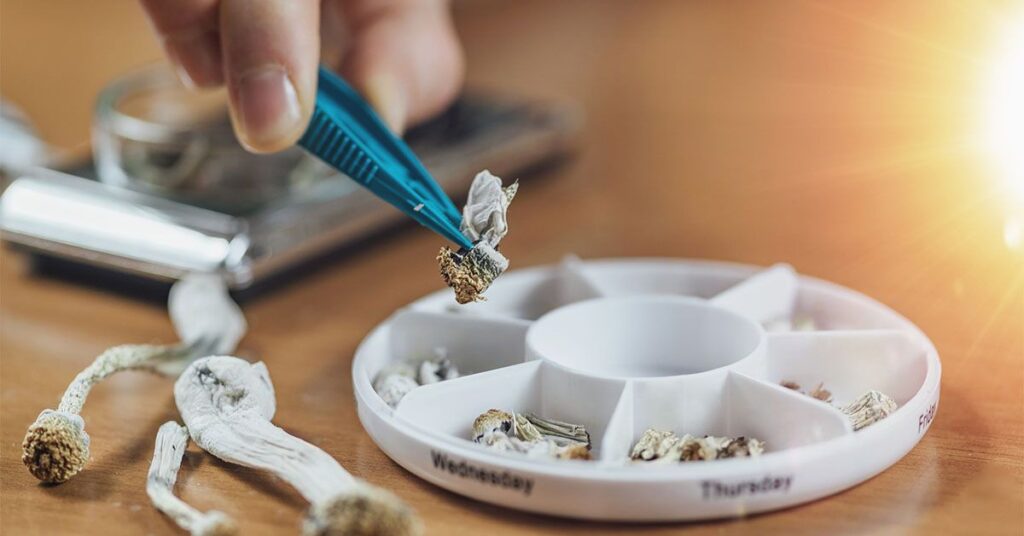
Microdosing mushrooms involves consuming very small amounts that are low enough not to produce noticeable psychoactive effects. These doses are typically taken as part of a structured routine rather than for recreational experiences.
Unlike full doses, microdosing is designed to:
- Fit into normal daily activities
- Support long-term consistency
- Avoid intoxication or altered perception
Researcher James Fadiman, known for his work on microdosing, describes it as a practice where the effects are subtle, but meaningful over time.
How Does Microdosing Mushrooms Work?
Microdosing is thought to interact gently with the brain’s natural systems rather than overstimulating them.
Current scientific interest focuses on:
- Neuroplasticity, the brain’s ability to adapt and form new connections
- Subtle modulation of mood, focus, and cognitive flexibility
- Long-term pattern-based effects rather than immediate intensity
While research is ongoing, early findings suggest that repeated low exposure may support mental adaptability without overwhelming the nervous system.
Microdosing vs Full Mushroom Doses
| Feature | Microdosing | Full Dose |
|---|---|---|
| Perceptual effects | None or barely noticeable | Strong visual and emotional changes |
| Daily functionality | Normal work and routines | Requires a controlled environment |
| Intention | Gradual balance and clarity | Short-term deep experience |
| Risk level | Lower when done responsibly | Higher without preparation |
Microdosing mushrooms is commonly chosen by people seeking subtle improvements without disrupting daily life.
Potential Benefits of Microdosing Mushrooms
Although large-scale clinical research is still developing, surveys and observational studies report several commonly experienced effects.
Reported Benefits Include
- Improved focus and mental clarity
- Enhanced creativity and problem-solving
- More stable mood and emotional resilience
- Reduced stress and mental fatigue
- Increased motivation and presence
A 2020 observational study published in Psychopharmacology reported positive mood and cognitive changes among participants, with minimal adverse effects.
Who Is Microdosing Mushrooms For?
People Often Interested in Microdosing
- Professionals seeking sustained focus
- Artists, designers, and writers
- Individuals practicing mindfulness or self-development
- Those exploring alternative wellness approaches
Who Should Be Cautious
Microdosing may not be suitable for everyone. Individuals with certain mental health conditions or those taking medications should seek professional guidance before considering this practice.
Responsible use begins with self-awareness and education.
How to Approach Microdosing Mushrooms Responsibly
This guide focuses on principles rather than instructions.
Core Principles of Responsible Microdosing
- Minimal amounts – The dose should remain sub-perceptual
- Consistency over intensity – Effects are pattern-based
- Cycles and breaks – Avoid continuous daily use
- Self-observation – Journaling mood, focus, and energy
Microdosing works best when treated as a long-term practice rather than a quick solution.
Microdosing Mushrooms vs Common Supplements
Unlike stimulants such as caffeine, microdosing mushrooms is often described as supportive rather than forceful.
Key Differences
- Works alongside natural mental rhythms
- Less jittery or crash-related effects
- Often combined with mindfulness practices
- Encourages reflection instead of dependency
This distinction is why many users view microdosing as a tool, not a replacement for healthy habits.
The Science Behind Microdosing Mushrooms
Scientific interest in microdosing centers on its potential influence on brain adaptability.
Why Neuroplasticity Matters
- Supports learning and memory
- Encourages emotional regulation
- Promotes flexible and creative thinking
Researchers continue to study whether low, repeated exposure may gently support these processes over time.
Common Questions and Concerns
Is Microdosing Just a Trend?
While interest has increased recently, microdosing has roots in decades of anecdotal use and growing scientific exploration. It is not considered a cure-all.
Are the Benefits Scientifically Proven?
Evidence is still emerging. Most data comes from self-reports, observational studies, and early clinical research. Responsible expectations are essential.
Microdosing is most effective when combined with:
- Healthy routines
- Clear intentions
- Ongoing self-reflection
Safety, Legality, and Awareness
Important considerations include:
- Legal status varies by country and region
- Product quality and consistency are essential
- Avoid mixing with alcohol or other substances
- Start conservatively and monitor effects
Responsible microdosing prioritizes education, intention, and respect.
How to Choose Quality Microdose Mushroom Products
Choosing microdose mushroom products should be based on quality, transparency, and responsible sourcing, not marketing claims.
When evaluating microdose options, focus on the following criteria:
What to Look For in a Microdose Product
- Clearly labeled microdosing format
Products designed specifically for microdosing help avoid accidental overuse. - Consistent dosing and standardized preparation
Consistency is essential for maintaining sub-perceptual effects. - Transparent sourcing information
Reputable brands clearly explain where and how their products are prepared. - Quality control and testing standards
Look for evidence of purity, consistency, and responsible handling. - Educational support
Responsible providers emphasize learning, intention, and safe use over hype.
Why Education Matters Before Purchasing
Microdosing is not about chasing quick effects. People who benefit most are those who:
- Understand what microdosing is — and what it is not
- Follow structured routines with breaks
- Choose products aligned with responsible use principles
High-quality microdose products are designed to support consistency and awareness, not intensity.
If you choose to explore microdosing products, prioritize brands that emphasize education, transparency, and responsible use.
Compliance Note
Always verify local laws and regulations before purchasing or using microdosing products. Availability and legality vary by country and region.
Frequently Asked Questions
What is microdosing mushrooms in simple terms?
It is the practice of taking very small amounts of mushrooms to support focus, mood, and creativity without strong psychoactive effects.
Do you feel high when microdosing?
No. A proper microdose should feel subtle and non-intoxicating.
How long does it take to notice effects?
Some people report changes within days, while others notice gradual effects over weeks.
Is microdosing mushrooms addictive?
There is currently no evidence suggesting addiction when practiced responsibly with breaks.
Can beginners explore microdosing?
Yes, provided they prioritize education, caution, and responsible use.
Key Takeaways
- Microdosing mushrooms involves sub-perceptual amounts
- It focuses on long-term balance rather than intensity
- Research is ongoing, with promising early findings
- Responsible use depends on education and self-awareness
Final Thoughts
Microdosing mushrooms is not about escape or excess. It is about intentional, incremental improvement in focus, creativity, and emotional balance.
When approached responsibly, microdosing becomes less of a trend and more of a structured personal development practice. Learning first leads to better, safer choices.

